

Red Flag Warning Roof Damage Denver
Denver is currently under Red Flag conditions — and while most homeowners think about wildfire risk, fewer consider what this means for their roofing system.
A Red Flag Warning roof damage Denver situation typically involves:
- Strong wind gusts (40–55+ mph)
- Low humidity
- Rapid temperature shifts
- Elevated fire exposure
These conditions stress shingles, flashing, and structural components — even if your roof looks fine from the ground.
Let’s break down the real risks.
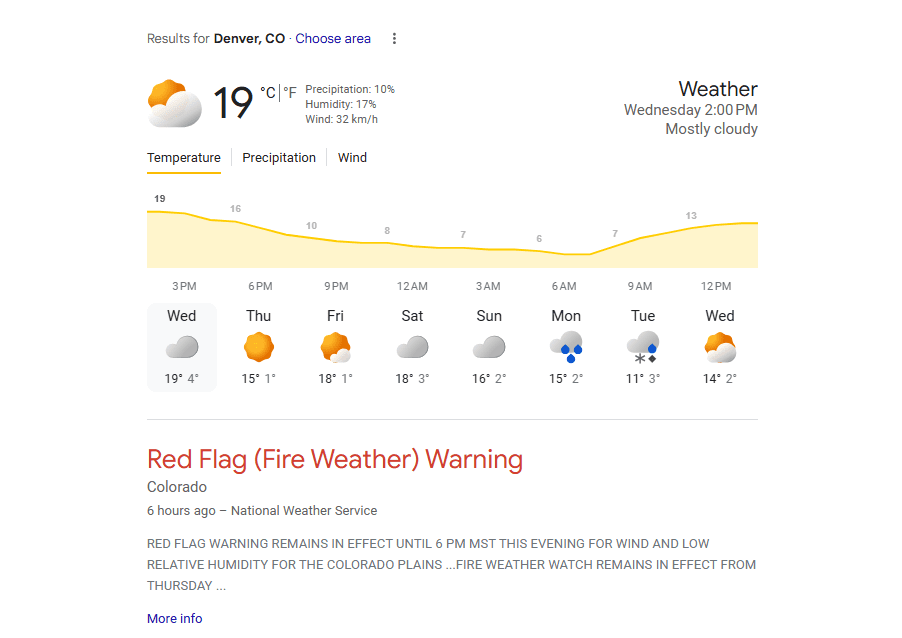
1. What a Red Flag Warning Means for Your Roof
A Red Flag Warning signals:
- Sustained high winds
- Very low relative humidity
- Rapid fire spread conditions
For roofing systems, this combination creates vulnerability.
High wind roof damage Colorado homeowners experience often starts with minor lifting — not full shingle loss. Over time, these weak points allow moisture intrusion.
This is why wind damage roof Denver searches spike during weather alerts.
2. How High Winds Cause Roof Damage
When gusts exceed 40–50 mph:
- Shingle seal strips can break
- Ridge caps may loosen
- Flashing can separate
- Nail heads can lift
- Underlayment becomes exposed
Wind damage doesn’t always look dramatic. Sometimes shingles reseal temporarily, creating hidden problems.
Most Vulnerable Areas
- Roof edges and eaves
- South- and west-facing slopes
- Around chimneys and vents
- Valleys where uplift pressure increases
If your roof is over 10 years old, wind resistance declines significantly.
3. The Impact of Low Humidity on Shingles
Low humidity accelerates roofing material fatigue.
Dry air pulls moisture from:
- Shingle fibers
- Wood decking
- Sealant strips
This increases brittleness. Combined with strong winds, shingles are more likely to crack or tear.
Over time, this leads to premature aging — especially under Colorado’s intense UV exposure.
4. Temperature Swings and Hidden Roofing Stress
Denver frequently experiences 30–40 degree temperature shifts within 24 hours.
This expansion and contraction causes:
- Fastener loosening
- Flashing movement
- Sealant breakdown
- Micro-fractures in shingles
Winter-to-spring transitions are especially risky. What survives January may fail in March.
5. Fire Risk and Roofing Systems in Colorado
During Red Flag conditions, roofing systems play a critical safety role.
Most modern asphalt shingles are Class A fire-rated. However:
- Older roofs may not meet updated standards
- Debris accumulation increases ember risk
- Damaged flashing can allow heat intrusion
If your roofing system is aging, it may not perform as expected under high-risk conditions.
6. Post-Wind Roof Inspection Checklist
After strong wind events, homeowners should:
- Walk the perimeter of the home
- Look for missing shingles
- Check gutters for granules
- Inspect attic spaces for light penetration
- Monitor ceilings for water stains
If anything appears questionable, a roof inspection after wind storm conditions is recommended.
7. When to Schedule a Professional Roof Inspection
You should consider professional evaluation if:
- Your roof is 8–15+ years old
- You’ve experienced multiple high-wind events
- You plan to sell your home
- You see granule loss or lifted tabs
- You want confirmation before hail season
Proactive inspections reduce emergency repair costs.
For homeowners seeking trusted Denver roofing services, a professional evaluation ensures your roof is structurally sound before the next storm cycle.
Final Thoughts
Red Flag Warning roof damage Denver conditions are not just weather alerts — they are structural stress tests.
Strong winds.
Low humidity.
Temperature swings.
Elevated fire risk.
Small vulnerabilities compound quickly in Colorado’s climate.
If you’re unsure about your roof’s condition, scheduling a free inspection provides clarity — without pressure or unnecessary upselling.
Is Your Roof at Risk During Red Flag Warnings?
Denver’s high winds and low humidity create serious stress on roofing systems. Gusts over 50 mph can loosen shingles, damage flashing, and expose vulnerable areas of your roof.
Even if no shingles are missing, hidden wind damage can lead to leaks during the next storm.
If your roof is over 10 years old or hasn’t been inspected recently, now is the right time.
Schedule a free roof inspection with No Limit Roofing and Restoration. We’ll evaluate your shingles, flashing, ventilation, and overall structural integrity — and provide clear recommendations with no pressure.
Protect your home before minor damage becomes a major repair.
Frequently Asked Questions About Red Flag Warning Roof Damage in Denver
1. Can high winds damage a roof without removing shingles?
Yes. High winds can break the seal strip under shingles without fully tearing them off. This creates hidden vulnerabilities that may not be visible from the ground but can lead to leaks during the next storm.
2. How much wind does it take to damage a roof in Colorado?
Roof damage can begin at wind speeds of 40–50 mph, especially on roofs older than 8–10 years. Gusts above 55 mph significantly increase the risk of shingle lifting, flashing separation, and ridge cap damage.
3. What is a Red Flag Warning and how does it affect my roof?
A Red Flag Warning means strong winds and low humidity create extreme fire conditions. For roofs, this combination increases shingle stress, material brittleness, and potential ember exposure during high-wind events.
4. Should I get a roof inspection after a wind storm in Denver?
If wind gusts exceed 40 mph, a roof inspection is recommended — especially if your roof is over 10 years old. Early inspections help identify small issues before they turn into costly repairs.
5. Does homeowners insurance cover wind damage to roofs?
Most Colorado insurance policies cover sudden wind damage. However, documentation is critical. A professional inspection helps determine whether damage qualifies for a claim.
6. How do I know if my roof has hidden wind damage?
Signs include:
- Granules in gutters
- Lifted or curled shingles
- Loose flashing
- Ceiling discoloration
- Debris impact marks
Some damage requires a close inspection to identify.
7. Can low humidity really affect roofing materials?
Yes. Low humidity accelerates drying and brittleness in shingles and sealants. Combined with UV exposure and wind, this can shorten the lifespan of roofing materials.
8. Are older roofs more vulnerable during Red Flag conditions?
Yes. Roofs older than 12–15 years have weakened sealant strips and reduced wind resistance, making them more susceptible to high wind roof damage in Colorado.
9. How soon should I schedule a roof inspection after a wind event?
Ideally within a few days. The sooner damage is identified, the easier it is to prevent water intrusion and document potential insurance claims.
10. Is a roof inspection really necessary if I don’t see damage?
Many wind-related issues are not visible from the ground. A professional inspection provides confirmation and peace of mind — especially before hail season begins.